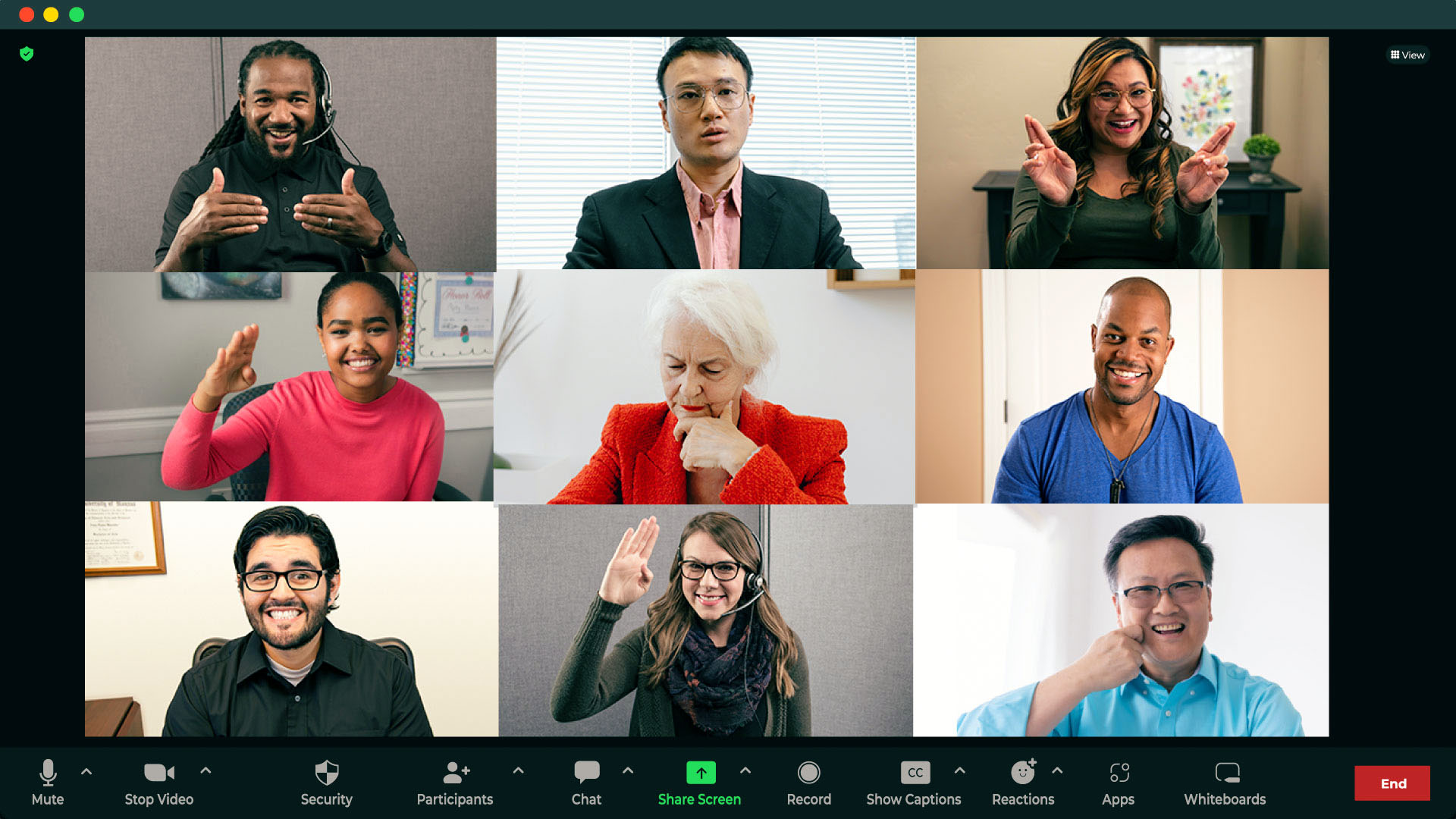
Mastering the Art of Small Talk: Breaking Awkward Silences on Zoom Calls
Mastering the Art of Small Talk is essential for breaking those awkward silences that often crop up during Zoom calls. Whether you are in a professional meeting or a casual get-together, engaging in small talk can set a comfortable tone for the conversation. Start by asking open-ended questions about the other person’s experiences or interests, such as, 'What have you been up to lately?' or 'How has your week been?' These questions invite the other party to share more, thus reducing any potential tension and fostering a more relaxed atmosphere.
Additionally, consider incorporating icebreaker activities that encourage participation from everyone involved. Simple games like 'Two Truths and a Lie' or themed discussions can mobilize the group and liven up the conversation. You might also share a funny or light-hearted anecdote from your day to get others laughing. Remember, the goal of small talk is to build rapport and create a sense of connection, so don’t hesitate to showcase your personality and enthusiasm during these exchanges!
Counter-Strike is a popular team-based first-person shooter game that has captivated players since its initial release in 1999. Known for its tactical gameplay, players can choose to play as either terrorists or counter-terrorists, with the objective of completing missions or eliminating the opposing team. For those looking to enhance their gaming experience, you might consider checking out the Top 10 Earbuds for Zoom Calls to ensure clear audio communication with teammates.
The Evolution of Communication: How Zoom Calls Redefine Digital Connections
The evolution of communication has been profoundly influenced by technological advancements, reshaping how we interact across the globe. One of the most significant changes in recent years is the rise of video conferencing platforms, particularly Zoom. As a result of the COVID-19 pandemic, businesses and individuals alike turned to Zoom to maintain connections in a world dictated by social distancing. This shift has not only facilitated remote work but has also allowed for virtual family gatherings, online classes, and even social events, demonstrating a remarkable adaptability in our communication methods.
Zoom calls have redefined digital connections by providing an engaging platform that fosters a sense of presence and intimacy despite physical distances. The capabilities of the platform, including screen sharing, breakout rooms, and interactive tools, have enhanced collaborative efforts in various domains, from education to corporate environments. As we continue to embrace this evolution, it's clear that video conferencing is here to stay, fundamentally altering the way we perceive and build our relationships in both personal and professional realms.
Why Do We Feel Awkward on Zoom? Common Challenges and Solutions
As remote communication has become more prevalent, many of us have experienced the peculiar sensation of feeling awkward on Zoom. This discomfort can arise from several factors, including the lack of physical presence, muted body language, and the pressure to perform in a virtual setting. According to research, participants often find it challenging to interpret nonverbal cues, leading to misunderstandings and an overall sense of unease. This is compounded by the technical challenges that can disrupt the flow of conversation, such as lagging video or poor audio quality, which can further exacerbate feelings of awkwardness.
To tackle these challenges, implementing a few strategies can help ease the discomfort during video calls. First, ensuring a stable internet connection can significantly improve the experience. Organizing meetings with a clear agenda allows participants to prepare and contribute effectively. Additionally, engaging in icebreaker activities can foster a relaxed atmosphere and encourage open communication. By acknowledging the inherent awkwardness of virtual interactions and intentionally working to create a more inviting environment, we can enhance our Zoom experiences and reduce those awkward moments.