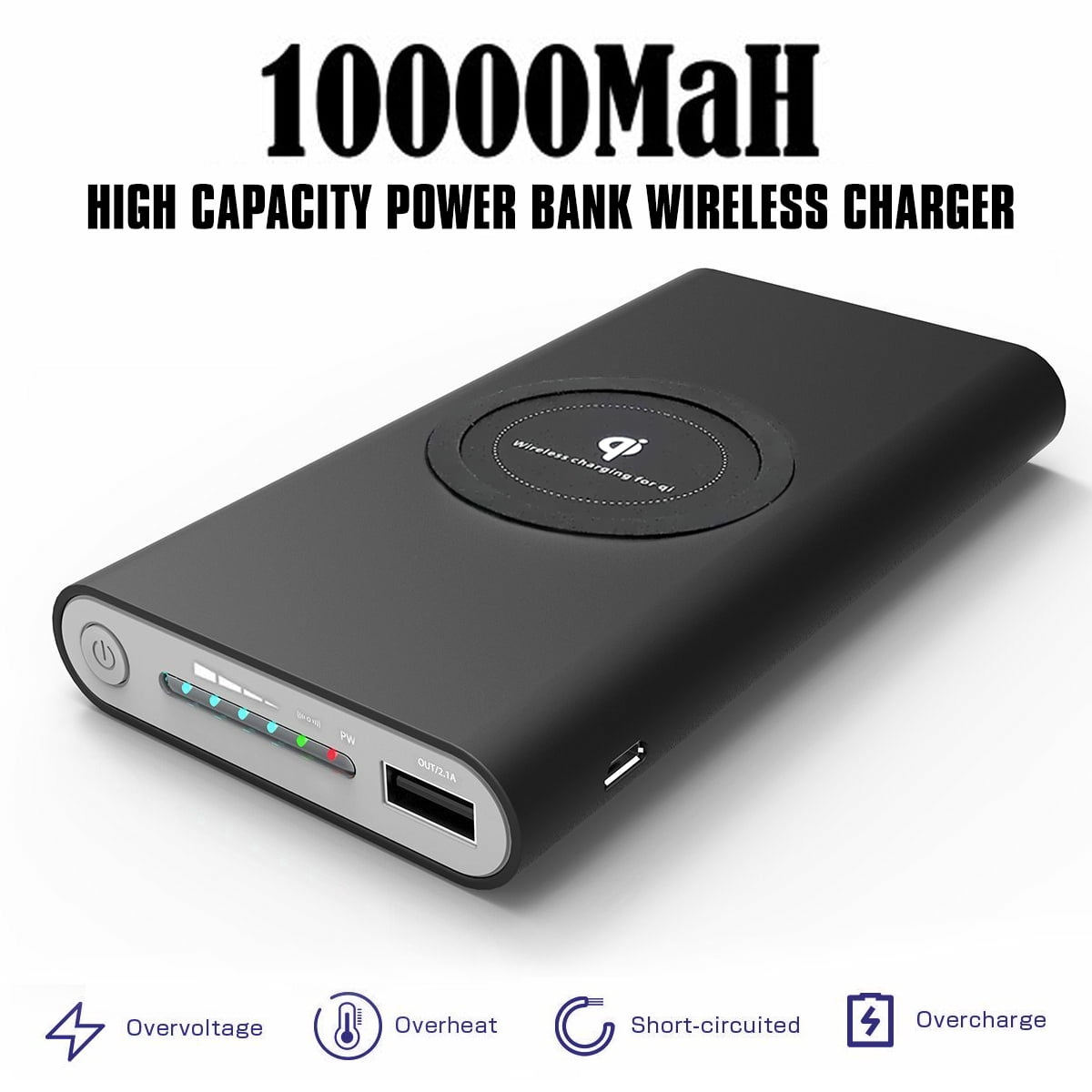
How Does Wireless Charging Work? An In-Depth Look
Wireless charging, also known as inductive charging, utilizes electromagnetic fields to transfer energy between two objects. This technology primarily employs a transmitter, typically embedded in a charging pad, and a receiver located in the device itself, such as smartphones or smartwatches. The process begins when the transmitter generates an alternating magnetic field, which then induces an electric current in the receiver coil. This current is subsequently converted back into usable power to charge the device's battery. Wireless charging offers convenience by eliminating the need for physical connectors, making it a popular choice for modern electronics.
There are different standards of wired charging, with Qi being the most widely adopted. Qi charging operates through a process known as resonant inductive coupling, which allows for greater flexibility in positioning the device on the charging pad. The efficiency of this method can vary, often between 70% to 80%, depending on the distance between the charger and the device. Additionally, advancements in technology are paving the way for faster charging speeds, and innovations are being introduced to enable wireless charging at greater distances, enhancing user experience even further. Understanding how wireless charging works can help consumers make better choices when purchasing compatible devices and accessories.
Counter-Strike is a popular first-person shooter game that emphasizes teamwork and strategy. Players can choose between two teams, terrorists and counter-terrorists, to complete objectives such as bomb planting or hostage rescue. For gamers looking to enhance their gaming experience, it's essential to keep your devices charged. Check out the Top 10 magsafe chargers to ensure you're always powered up during your matches!
The Benefits of Wireless Charging: Convenience Meets Efficiency
The rise of wireless charging technology has revolutionized the way we power our devices, providing a unique blend of convenience and efficiency. With the ability to simply place your smartphone or other compatible device on a charging pad, the hassle of tangled cords and connectors is eliminated. This not only streamlines the charging process but also enhances the user experience. According to recent studies, over 70% of smartphone users prefer wireless charging due to its simplicity and ease of use.
In addition to its convenience, wireless charging is designed for efficiency. Many modern wireless chargers utilize advanced technologies that allow for faster energy transfer, making it possible to power up your devices quickly and effectively without compromising their battery life. Furthermore, the absence of physical connections reduces wear and tear on charging ports, leading to a longer lifespan for your devices. As more gadgets adopt this technology, the future promises even greater advancements, making wireless charging an essential feature for our tech-driven lives.
Will Wireless Charging Replace Traditional Charging Methods?
The rise of wireless charging technology has prompted many to question whether it will ultimately replace traditional charging methods. Wireless chargers use electromagnetic fields to transfer energy between a charging pad and a compatible device, offering convenience and ease of use. Some of the most significant advantages include the elimination of tangled cords and the ability to charge multiple devices simultaneously. However, traditional charging methods remain reliable and often deliver faster charging speeds, which is crucial for users on the go.
Despite these benefits, the trend towards wireless charging is strengthening, thanks in part to advancements in technology. Companies are investing heavily in innovation, striving to improve efficiency, compatibility, and convenience. As more devices adopt wireless technology—from smartphones to electric vehicles—the demand for traditional chargers may wane. Yet, it is essential for consumers to weigh the pros and cons, especially considering factors like charging speed and portability before fully embracing the shift towards wireless solutions.