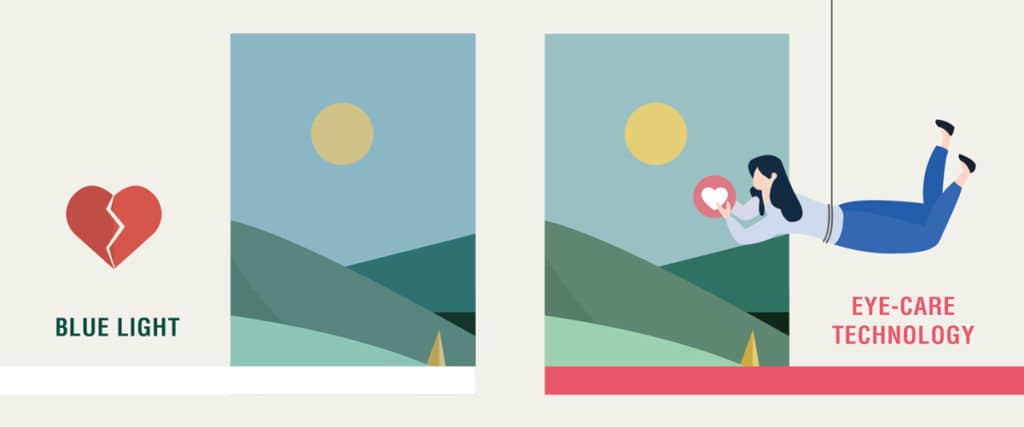
Understanding Blue Light: What It Is and Why It Matters
Understanding blue light is essential in our technology-driven world, where screens dominate our daily lives. Blue light is a high-energy visible (HEV) light emitted by various sources including smartphones, computer monitors, and LED lighting. While it plays a role in regulating our circadian rhythms and can boost alertness during the day, excessive exposure to blue light, especially in the evening, can disrupt sleep patterns and lead to digital eye strain. As we become more reliant on digital devices, understanding how blue light affects our health becomes increasingly important.
Research indicates that prolonged exposure to blue light can contribute to discomfort and can even impact overall eye health. Symptoms of digital eye strain may include dry eyes, headaches, and blurred vision. To mitigate these effects, consider the following tips:
- Use blue light blocking glasses
- Adjust your device's settings to reduce blue light emissions
- Take regular breaks using the 20-20-20 rule: every 20 minutes, look at something 20 feet away for at least 20 seconds
Being proactive about blue light exposure can help maintain your eye health and improve your overall well-being.
Counter-Strike is a popular multiplayer first-person shooter game where teams compete to complete objectives such as bomb defusal or hostage rescue. The game is known for its strategic gameplay, requiring players to communicate effectively and work together. For players who spend long hours gaming, it’s essential to take care of their eyes; check out the Top 10 Phone Accessories for Eye Strain to find helpful tools for reducing eye fatigue.
Debunking Myths: Do Blue Light Filters Really Protect Your Eyes?
In today's digital age, where screens dominate our daily lives, the question of whether blue light filters genuinely protect our eyes has gained significant attention. Proponents often claim that these filters reduce eye strain and improve sleep quality by blocking harmful blue light emitted from devices like smartphones and computers. However, current scientific evidence is mixed. While blue light can contribute to digital eye strain, the extent to which blue light filters alleviate these symptoms has not been definitively proven. A recent study indicates that taking regular breaks and following the 20-20-20 rule—looking at something 20 feet away for 20 seconds every 20 minutes—might be more effective than relying solely on blue light filters.
Moreover, it’s essential to recognize that not all blue light is harmful. In fact, natural blue light plays a crucial role in regulating our circadian rhythms and mood. Thus, using blue light filters indiscriminately could potentially interfere with these natural processes. While some individuals may experience relief from digital eye strain with the use of blue light filter glasses or software, it's vital to approach these products with caution. As always, consulting with an eye care professional is recommended for personalized advice and to determine the best strategies for eye health in a screen-centric world.
How to Reduce Blue Light Exposure: Tips for a Healthier Screen Time
In today's digital age, reducing blue light exposure is essential for maintaining overall health and well-being. Blue light, emitted from electronic devices like smartphones, tablets, and computers, can disrupt our sleep patterns and strain our eyes. Here are some effective tips to help you minimize your exposure:
- Adjust Your Screen Settings: Utilize the built-in settings on your devices to reduce blue light emission. Many smartphones now offer 'Night Shift' or 'Blue Light Filter' modes that can be enabled during nighttime.
- Invest in Blue Light Blocking Glasses: Consider purchasing glasses designed to filter out blue light. These can be particularly useful for individuals who spend extended hours in front of screens.
Limit your screen time by practicing the 20-20-20 rule: every 20 minutes, take a 20-second break to look at something 20 feet away. This technique not only reduces blue light exposure but also alleviates eye strain. Additionally, integrating more natural light into your workspace can help reduce reliance on artificial sources and lower overall blue light exposure. Remember, prioritizing your eye health is crucial for a balanced digital lifestyle.