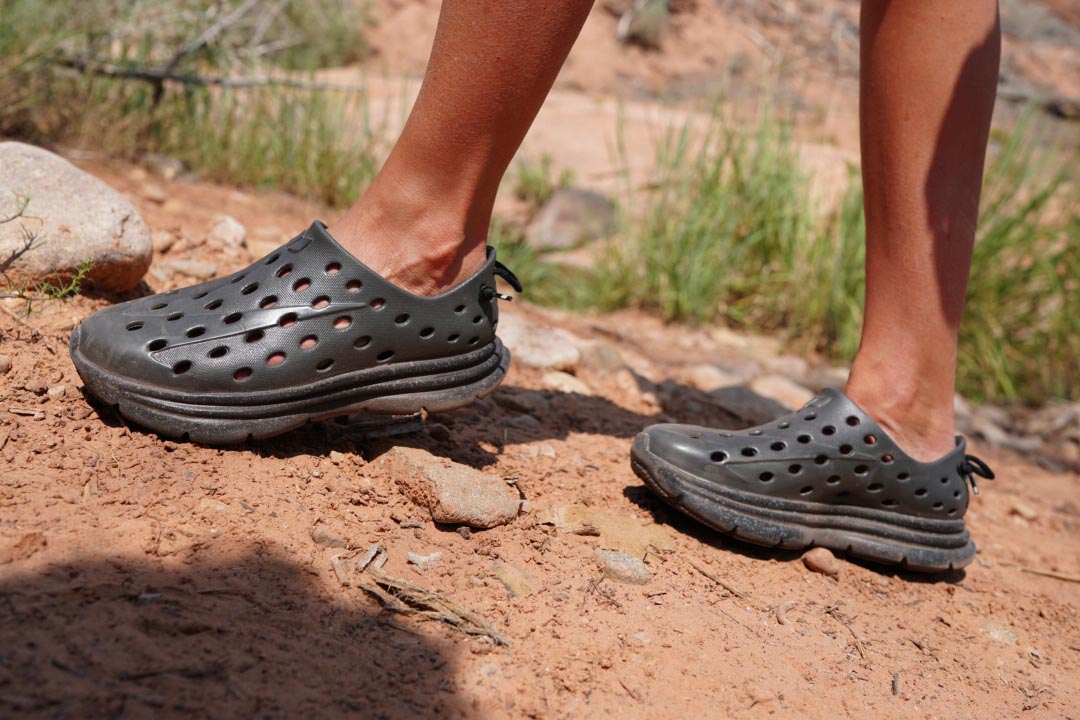
The Science Behind Non-Slip Surfaces: How They Prevent Accidents at Home
The science behind non-slip surfaces lies in their ability to enhance traction and prevent slipping hazards in various environments, particularly at home. Non-slip materials often utilize unique textures or coatings that increase the friction between footwear and surface. This friction is essential for ensuring stability while walking, especially in high-risk areas such as kitchens and bathrooms. For example, surfaces treated with anti-slip coatings or specifically designed with grooved patterns can significantly lower the risk of falls, making them a crucial element in home safety.
Implementing non-slip surfaces in your home not only safeguards against accidents but also contributes to a greater sense of security. Studies have shown that implementing these surfaces reduces slip-related injuries by a substantial percentage. Here are some common areas where non-slip surfaces can make a difference:
- Bathrooms – wet floors can be dangerous
- Kitchens – spills can occur frequently
- Entryways – tracking in moisture from outside
By focusing on these high-risk areas, homeowners can take proactive measures to create a safer living environment.
Counter-Strike is a popular tactical first-person shooter game that has captivated players worldwide since its release. It involves two teams, terrorists and counter-terrorists, competing to achieve specific objectives. For players looking to enhance their gaming experience, incorporating the right gear is essential. Consider checking out the Top 10 iphone desk stands to find the perfect setup for your gaming station.
Top Non-Slip Surface Materials for Every Room in Your House
When it comes to choosing non-slip surface materials for your home, safety and aesthetics should go hand in hand. Among the top contenders, vinyl flooring stands out due to its versatility and comfort underfoot. Available in a variety of designs, it mimics the appearance of wood or tile while providing exceptional grip. Another excellent option is rubber flooring, ideal for high-traffic areas like kitchens and entryways. Its durable surface not only prevents slips but also absorbs impact, making it perfect for homes with kids or pets.
For bathrooms and laundry rooms, consider ceramic tiles with a textured finish. They offer a classic look while ensuring traction, even when wet. In living spaces, carpet tiles can serve as an effective non-slip surface, providing both comfort and safety, especially in homes with young children. Always remember to prioritize safety along with style by selecting materials specifically labeled as non-slip to keep your family safe in every room of your house.
Are Non-Slip Surfaces Worth the Investment? Understanding the Costs and Benefits
When considering whether non-slip surfaces are worth the investment, it’s essential to evaluate both the costs and the benefits they bring. Non-slip surfaces significantly enhance safety by reducing the risk of slips and falls, which can lead to severe injuries and potential lawsuits. This is particularly important in areas with high foot traffic, such as commercial kitchens, swimming pools, and walkways. According to the National Safety Council, slips and falls account for a significant percentage of workplace injuries, making the implementation of non-slip solutions a crucial preventive measure.
From a financial perspective, investing in non-slip surfaces can yield long-term savings by minimizing the potential costs associated with accidents and injuries. While the initial installation costs may be higher than traditional surfaces, the durability and low maintenance of many non-slip materials can offset these expenses over time. Additionally, businesses that prioritize safety often enjoy improved employee morale and customer satisfaction, creating a more inviting atmosphere. Thus, weighing the initial investment against the potential benefits reveals that non-slip surfaces can indeed be a worthwhile investment for safety-conscious property owners.