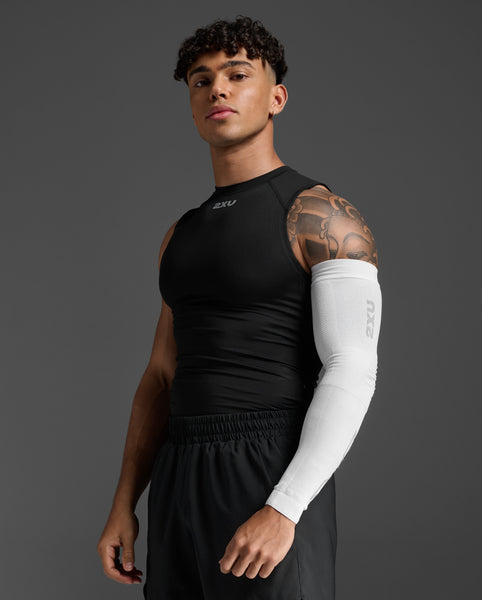
The Art of Sleeve Styles: A Journey Through Time
The art of sleeve styles has evolved dramatically over the decades, reflecting not only fashion trends but also cultural influences and advancements in fabric technology. From the intricate puff sleeves of the Victorian era to the streamlined silhouettes of the modern day, each adaptation serves as a testament to the creativity of designers. As we journey through time, we can appreciate how sleeve styles have transitioned from the ornate and exaggerated to more minimalist approaches that cater to contemporary tastes. For example, the bell sleeves that were popular in the late 60s and early 70s have made a comeback, symbolizing how cyclical fashion can be. This evolution showcases not just a change in aesthetic but a deeper reflection of society's values and lifestyle.
As fashion continues to innovate, we witness the rise of new sleeve styles that blend traditional elements with modern functionality. Features like cold-shoulder designs, asymmetric cuts, and bishop sleeves have become staples in today’s wardrobes, appealing to a generation that values both style and comfort. To fully understand the impact of these changes, it is important to recognize how social movements, like women’s liberation, have influenced the freedom and versatility of clothing. The way we express ourselves through sleeves can tell a story—of rebellion, elegance, or even casual chic. As we reflect on the past and embrace the future, the journey through sleeve styles reminds us of the significance of fashion in articulating identity.
Counter-Strike is a popular team-based first-person shooter game that has captivated millions of players around the world. It focuses on strategy, teamwork, and skill, placing players in the role of either terrorists or counter-terrorists. Players often enhance their gaming experience with various peripherals, and to learn about the best gear, you can check out the Top 10 macbook accessories.
From Rags to Riches: How Sleeve Designs Reflect Fashion Trends
The journey of fashion is often marked by the evolution of style elements, and sleeve designs are no exception. From the romantically voluminous sleeves of the 17th century to the streamlined silhouettes favored in modern fashion, these elements serve as a mirror reflecting societal trends and economic conditions. During periods of prosperity, such as the Roaring Twenties, extravagant sleeve designs flourished, representing freedom and celebration. In contrast, during economic downturns, simplicity and practicality became the norm, highlighting how sleeve designs are deeply intertwined with cultural sentiments.
In today’s fashion landscape, sleeve designs continue to be a barometer of trends that resonate with the public. For instance, the revival of puff sleeves illustrates a nostalgic return to romantic aesthetics, while minimalist trends favor sleek and tailored styles. This from rags to riches narrative not only traces the evolution of sleeve designs but also underscores how they can signify wealth and social status. As designers innovate and reinterpret these elements, they remind us of the enduring connection between fashion trends and the stories we tell through what we wear.
What Do Your Sleeves Say About You? Exploring the Psychology of Sleeve Choices
The choice of sleeve style can reveal a lot about an individual's personality and mood. For example, long sleeves often convey a sense of **professionalism** and **formality**, making them a popular choice in business settings. In contrast, short sleeves tend to suggest a more relaxed and casual approach to attire, reflecting a laid-back personality. Interestingly, even the fabric and fit of the sleeves can impact perceptions; fitted sleeves might indicate a focus on precision and detail, while loose sleeves could suggest a preference for comfort and ease. Ultimately, the sleeve style serves not only as a fashion statement but also as a medium through which individuals communicate their identity.
Moreover, sleeve choices can also be influenced by cultural backgrounds and societal norms. For example, in some cultures, certain sleeve lengths are associated with modesty and respect, while in others, they symbolize **rebellion** or **freedom**. This highlights the psychological aspect of clothing—what we wear is often a reflection of our values and beliefs. Therefore, when choosing sleeves, it is important to consider how these elements interact with our personal style and the messages we aim to convey. Understanding the psychology behind sleeve choices can empower individuals to make more conscious fashion decisions that align with their self-image.