5 Essential Mac Storage Tips to Maximize Your Space
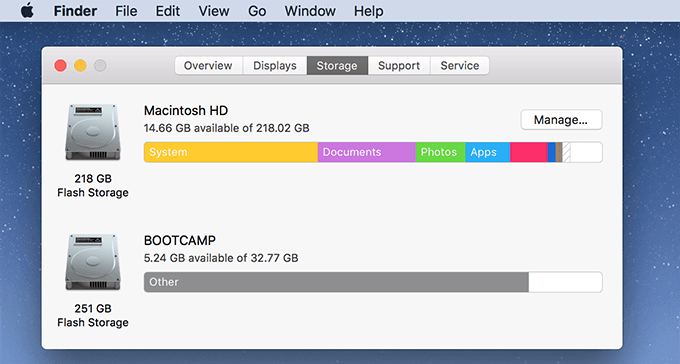
If you're a Mac user, you know how quickly storage space can dwindle. To help you maximize your space, here are five essential tips to keep your Mac running smoothly. First, regularly empty your trash can and consider using the built-in Optimize Storage feature available in macOS, which helps manage files that you don't need stored locally. Second, use the System Storage Management tool by visiting About This Mac under the Apple menu, where you can identify large files and apps taking up precious space.
Next, consider utilizing cloud storage solutions like iCloud, Google Drive, or Dropbox to offload files that you rarely access. Additionally, uninstall any applications that you no longer use—simply dragging them to the trash doesn't always remove all associated files, so using an app like AppCleaner can help. Lastly, perform regular maintenance by clearing out your downloads folder and organizing your files systematically, as clutter can slow down your device’s performance and consume valuable storage space.
Counter-Strike is a highly popular first-person shooter game that pits teams of terrorists against counter-terrorists in various objective-based scenarios. Players can choose from different game modes, and teamwork is essential for success. As players seek to enhance their gaming experience, they often invest in quality hardware, such as Top 10 external ssds for mac to improve load times and overall performance.
How to Organize Your Digital Files on a Mac Like a Pro
Organizing your digital files on a Mac is essential for maintaining productivity and ensuring you can easily find what you need. To start, create a main folder structure that suits your workflow. Consider using categories such as Work, Personal, and Projects. Within these folders, you can establish further subfolders for specific tasks or client files. For example, under the Work folder, you might have Reports, Presentations, and Meeting Notes that can be organized chronologically or by project. This hierarchy not only keeps your files tidy but also makes retrieval quick and straightforward.
Another pro tip is to utilize the Tags feature available on macOS. Tags allow you to label files with keywords that can cut across different folders, such as Urgent, Reference, or Pending. This system makes it easier to find files without having to navigate through multiple levels of folders. You can also make use of smart folders, which automatically gather files based on criteria like tags or file types. By incorporating these strategies, you’ll elevate your organizational skills and streamline your digital workspace like a true Mac pro.
What to Do When Your Mac's Storage Is Full: A Step-by-Step Guide
If your Mac's storage is full, it can lead to significant performance issues and hinder your productivity. Fortunately, there are several effective steps you can take to free up space and optimize your system. Start by checking your storage usage by clicking on the Apple menu, selecting 'About This Mac,' and then navigating to the 'Storage' tab. This will give you a clear overview of what is consuming your storage. From there, consider deleting unnecessary files, such as old downloads, duplicate photos, and unused applications. Make sure to empty your Trash afterward to ensure these items are completely removed.
Another effective solution is to utilize cloud storage options or external drives. By transferring large files, such as videos and music libraries, to a cloud service like iCloud or Google Drive, you can significantly reclaim storage space. Additionally, you can utilize the 'Optimize Storage' feature in macOS by going to 'System Preferences' and clicking on 'Apple ID'. This feature helps manage files automatically, storing infrequently used items in the cloud. Follow these step-by-step guidelines to keep your Mac running smoothly and avoid the frustration of full storage.