10 Common Fitness Myths: Unmasking the Truth Behind Popular Beliefs
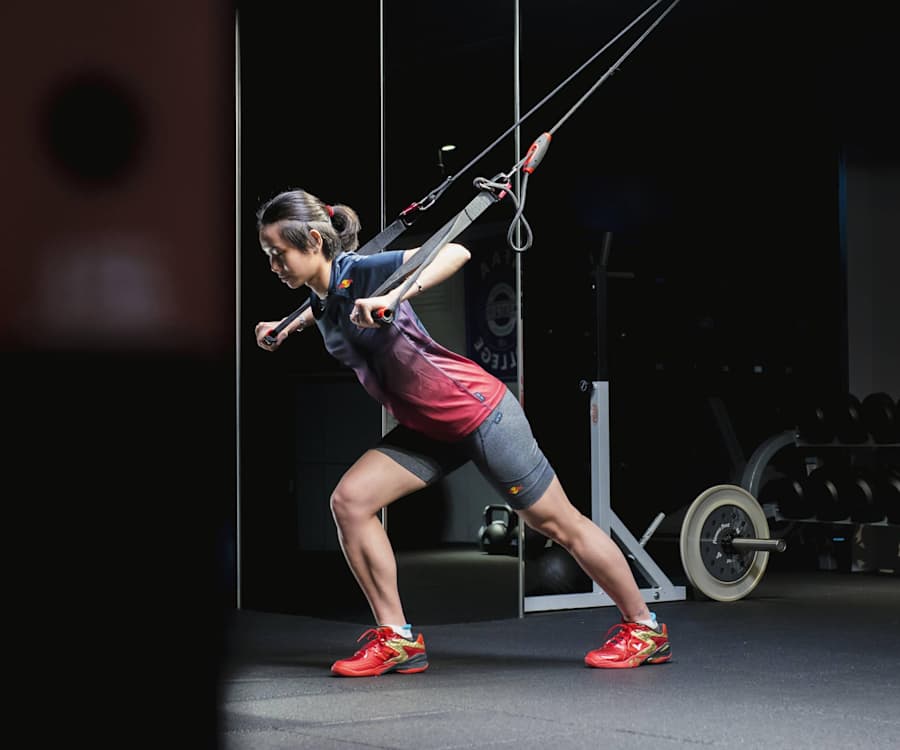
Fitness myths can often cloud judgment and hinder progress, making it essential to separate fact from fiction. One of the most pervasive myths is that lifting weights will make you bulky, especially for women. In reality, strength training helps to build lean muscle mass and can promote a more toned appearance. The truth is, achieving a bulky physique requires a specific combination of genetics, diet, and training intensity that most individuals don't naturally possess.
Another common misconception is that you can spot-reduce fat by targeting specific areas through exercise. For instance, many believe they can eliminate belly fat by doing sit-ups alone. However, fat loss occurs throughout the body rather than in isolated spots. Engaging in a comprehensive fitness routine that combines cardio, strength training, and a balanced diet is crucial for overall fat loss and a healthier physique.
Counter-Strike is a popular first-person shooter game that pits teams of terrorists against counter-terrorists in various objective-based game modes. Its competitive nature and skill-based gameplay have made it a staple in the esports community. Players often seek optimal gear to enhance their experience, such as the Top 10 Secure Fit Ear Fins for AirPods which provide comfort and stability during intense gaming sessions.
Is Lifting Weights Dangerous? Debunking the Top Strength Training Myths
When it comes to strength training, many people harbor fears about the potential dangers of lifting weights. However, most of these concerns stem from prevalent myths that can be easily debunked. For instance, a common belief is that lifting weights can lead to serious injuries. In reality, when performed with proper technique and appropriate weight, resistance training can strengthen muscles, improve joint stability, and even enhance overall physical health. A 2015 study published in the Journal of Strength and Conditioning Research found that individuals engaging in regular strength training exhibited decreased injury rates compared to those who did not.
Another prevalent myth is that lifting weights will make you bulk up unattractively, especially among women. This misconception is often amplified by societal pressures and unrealistic beauty standards. The truth is that strength training can support a healthy metabolism and enhance overall body composition without excessive bulking. According to the National Strength and Conditioning Association, many women do not possess the hormonal makeup to gain significant muscle mass through strength training alone. Instead, lifting weights helps individuals tone their bodies, improve strength, and foster confidence.
Cardio vs. Strength Training: Which is Better for Fat Loss?
When it comes to fat loss, the debate between cardio and strength training is a prevalent one. Cardio exercises, such as running, cycling, and swimming, are typically associated with burning calories during the workout. High-intensity interval training (HIIT) can also be an effective form of cardio that continues to burn calories even after the session is over, thanks to the afterburn effect. On the other hand, strength training builds muscle, which is essential for boosting your metabolism. A higher muscle mass means that your body burns more calories at rest, making strength training a powerful ally in the fight against fat.
Ultimately, the choice between cardio and strength training should be based on personal preferences and fitness goals. If your focus is solely on immediate calorie burn, cardio might seem like the better option. However, for long-term fat loss and overall body composition improvement, integrating strength training into your fitness routine is advisable. Consider a balanced approach that includes both forms of exercise. A combination of cardio and strength training not only promotes fat loss but also enhances cardiovascular health and builds lean muscle, offering the best of both worlds.