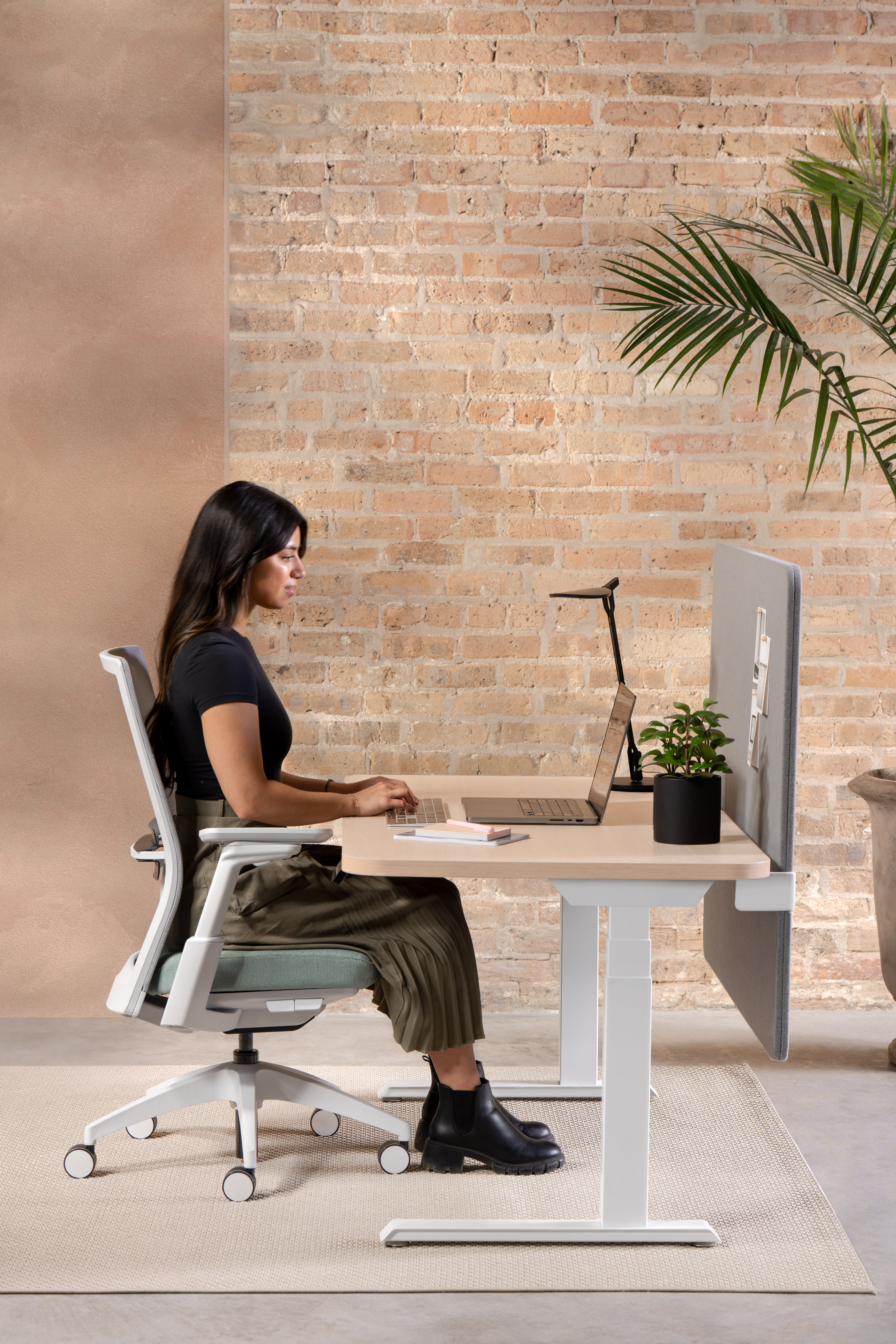
Understanding Ergonomics: What Makes a Workspace Comfortable?
Understanding ergonomics is essential for creating a workspace that enhances productivity and comfort. Ergonomics involves designing a workspace that fits the individual using it, significantly reducing strain and preventing injuries. Key factors that contribute to a comfortable workspace include adjustable furniture, proper keyboard height, and supportive seating. When these elements are thoughtfully arranged, individuals can maintain a neutral posture, which is crucial for long-term health.
The importance of ergonomics extends beyond physical comfort; it also affects mental well-being. A comfortable workspace can reduce fatigue, increase concentration, and boost overall job satisfaction. To achieve this, consider the following tips:
- Invest in an ergonomic chair that supports the lower back.
- Use a desk that allows for proper posture while sitting or standing.
- Position your monitor at eye level to avoid neck strain.
Counter-Strike is a highly popular tactical first-person shooter game that pits teams of terrorists against counter-terrorists in various objective-based missions. Players must use teamwork, strategy, and precise shooting skills to complete objectives or eliminate the opposing team. Additionally, if you're looking for comfortable audio solutions, check out the Top 10 Earbuds for Small Ears to enhance your gaming experience.
The Science Behind Ergonomic Design: Is Your Setup Working for You?
The principles of ergonomic design are rooted in understanding how the human body interacts with its environment. This involves tailoring your workspace to fit your physical needs, thereby reducing strain and improving overall productivity. For instance, studies have shown that an optimally designed workstation can decrease the risk of musculoskeletal disorders and enhance comfort. Key elements to consider include the height of your desk, the position of your monitor, and the support of your chair. By ensuring that your setup adheres to these ergonomic principles, you can significantly influence your daily productivity and well-being.
To assess whether your current setup is working for you, consider evaluating the following factors:
- Chair Adjustability: Is your chair adjustable to support your back properly?
- Monitor Position: Is your monitor at eye level to reduce neck strain?
- Keyboard and Mouse Placement: Are they positioned to keep your wrists straight?
Ergonomics vs. Aesthetics: Can You Have Both in Your Workspace?
In today's fast-paced world, balancing ergonomics and aesthetics in your workspace can seem like a daunting challenge. Ergonomics focuses on designing workspaces that promote comfort and efficiency, while aesthetics pertains to the visual appeal of your environment. Thankfully, achieving this balance is not only possible but can also enhance productivity and overall well-being. For instance, incorporating an ergonomic chair can improve posture and reduce discomfort, while also choosing a design that complements your personal style can make your workspace visually inviting.
To successfully merge ergonomics and aesthetics, consider the following tips:
- Choose furniture that is both functional and stylish.
- Utilize adjustable desks that allow you to switch between sitting and standing.
- Incorporate decorative elements that inspire creativity without cluttering the space.