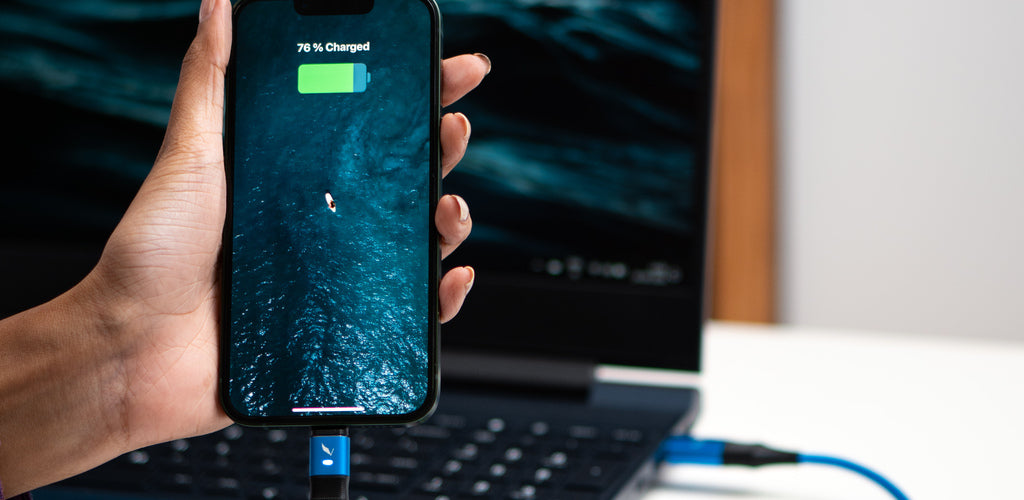
Understanding Fast Charging: How Technology Powers Your Devices
Fast charging technology has revolutionized the way we power our devices, making it possible to recharge smartphones, tablets, and laptops at an unprecedented speed. This advancement is primarily made possible by utilizing higher power delivery mechanisms that can supply increased voltage and current to the device. For instance, many modern smartphones can charge up to 50% of their battery in just 30 minutes, thanks to innovations such as Qualcomm's Quick Charge and USB Power Delivery standards. Understanding how these systems work can help you choose the right charger and cable for your devices, ensuring efficient and safe charging.
Several factors contribute to the effectiveness of fast charging, including the compatibility between the charger, cable, and device. When selecting a charger, consider its wattage output; higher wattage generally means faster charging times. It's essential to also invest in quality cables, as subpar options can impede charging speeds and even pose risks to your devices. Additionally, device manufacturers often incorporate technologies to regulate power flow and protect the battery's health. As you embrace fast charging, staying informed on these elements can lead to enhanced user experiences and longer battery life.
Counter-Strike is a highly competitive first-person shooter game that has captivated gamers since its inception. Players join either the Terrorist or Counter-Terrorist team, engaging in various missions that require strategy, teamwork, and quick reflexes. For those looking to enhance their gaming experience, check out the Top 10 Car Chargers for Apple Watch to ensure your devices stay charged during long gaming sessions. The game has evolved through multiple versions, becoming a staple in esports and fostering a dedicated global community.
Top 5 Myths About Fast Charging Debunked
Fast charging technology has revolutionized how we power our devices, yet several myths continue to circulate about its efficiency and safety. One common misconception is that fast charging damages a device's battery over time. However, modern smartphones and tablets are equipped with advanced battery management systems that regulate charging speeds, ensuring that your battery remains healthy even with frequent fast charging. This technology has evolved significantly, allowing users to enjoy the convenience of rapid charging without compromising battery lifespan.
Another prevalent myth suggests that using non-branded chargers will ruin your device's battery. While it's true that using low-quality or counterfeit chargers can be harmful, many reputable third-party chargers are designed to meet industry standards for fast charging. Before purchasing a new charger, look for certification marks like UL or CE that indicate the product meets safety requirements. Embracing reliable third-party options can provide a balance between cost and quality, enhancing your fast charging experience.
Is Fast Charging Safe? What You Need to Know
As technology continues to advance, fast charging has become an essential feature for many electronic devices, particularly smartphones and laptops. But with the convenience of rapid power replenishment comes the question of safety. Fast charging typically operates at higher voltage levels and currents than standard charging, which can generate increased heat in both the charger and the device. This heat can lead to potential risks if devices are not adequately designed to handle these conditions. It's crucial to use certified chargers and cables to mitigate these safety concerns and ensure your devices remain in optimal condition.
According to industry experts, most modern devices are equipped with safety features to protect against overheating and overcharging during fast charging processes. Manufacturers design these systems with built-in mechanisms that monitor temperature and voltage, ensuring that they operate within safe limits. However, users should still take precautions, such as avoiding the use of third-party chargers that lack proper certifications. To further ensure safety, it's advisable to refrain from using your device while it is charging at high speeds, as this can exacerbate heat and lead to damage over time.